
- Why Preconstruction Is Becoming Critical in Austin
- Trend 1: Increased Adoption of BIM in Preconstruction
- Trend 2: Strong Focus on Clash Detection and Coordination
- Trend 3: Integration of CAD and BIM Workflows
- Trend 4: Data-Driven Construction Estimating
- Trend 5: Growth of Construction Takeoff Services
- Trend 6: Expansion of MEP and Structural Coordination
- Trend 7: Rise of Virtual Design and Construction (VDC)
- Trend 8: Increased Use of 3D Modeling and Visualization
- Trend 9: Outsourcing Preconstruction Services for Efficiency
- How These Trends Are Transforming Construction in Austin
- Integration with Construction Documentation and Workflows
- Why Contractors in Austin Are Investing in Preconstruction
- How Optimar Precon Supports AEC Preconstruction
- Pro Tips for Improving Preconstruction Workflows
- Common Mistakes to Avoid
- How Preconstruction Is Shaping the Future of Construction in Austin
- Build Smarter Projects with Better Preconstruction
- FAQs
AEC preconstruction trends in Austin are evolving rapidly as the city continues to experience strong growth in commercial, residential, and infrastructure projects. In 2026, contractors, architects, and developers in Austin are focusing on smarter planning, better coordination, and cost-efficient execution to stay competitive.
With increasing project complexity and tighter timelines, preconstruction is no longer just a planning phase. It has become a strategic process powered by BIM modeling services, CAD drafting services, construction takeoff services, and construction estimating services.
This blog explores the key preconstruction trends shaping Austin’s construction industry and how companies are using advanced workflows to improve project outcomes.
Why Preconstruction Is Becoming Critical in Austin
Austin’s construction market is expanding across sectors including residential, commercial, and technology-driven infrastructure.
Key Drivers
- Rapid urban development
- Increased demand for mixed-use projects
- Tight project timelines
- Rising construction costs
- Need for accurate planning and coordination
To manage these challenges, companies are investing heavily in preconstruction workflows supported by building information modeling services and digital tools.
Trend 1: Increased Adoption of BIM in Preconstruction
BIM is becoming the foundation of preconstruction planning in Austin.
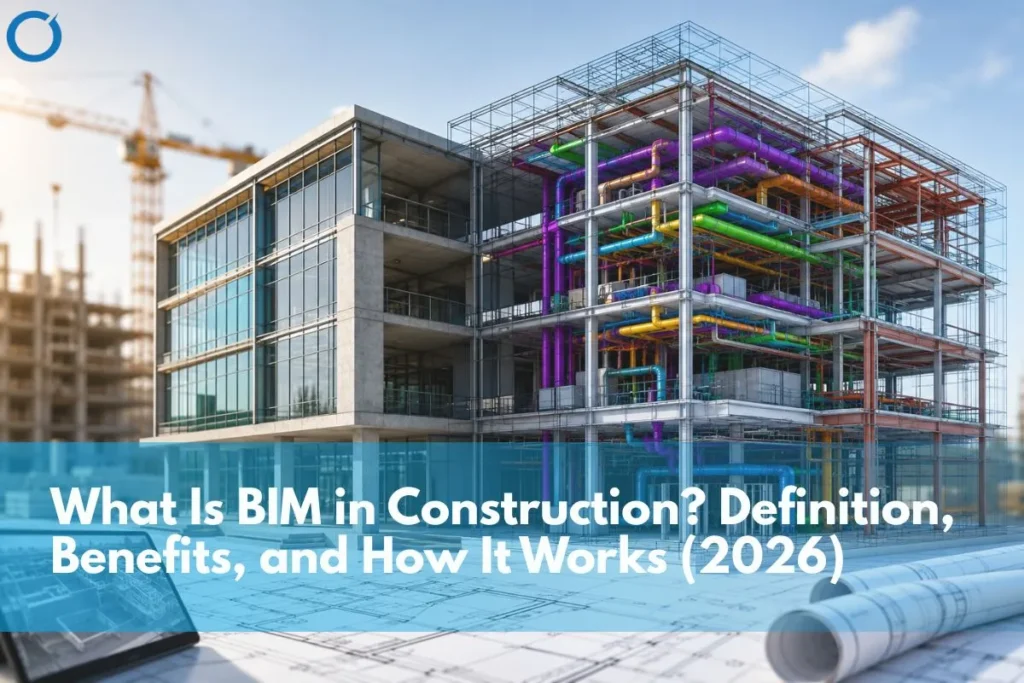
Using BIM modeling services, teams can create intelligent 3D models that integrate architectural, structural, and MEP systems.
Benefits
- Improved coordination between teams
- Better visualization using BIM 3D modeling services
- Early detection of design conflicts
This trend is helping contractors reduce risks and improve project efficiency.
Trend 2: Strong Focus on Clash Detection and Coordination
Coordination is one of the biggest challenges in construction projects.
With clash detection services and BIM coordination services, teams can identify and resolve issues before construction begins.
Impact
- Reduced rework
- Faster project timelines
- Improved collaboration
This trend is especially important for large and complex projects in Austin.
Trend 3: Integration of CAD and BIM Workflows
Many projects still begin with CAD drawings, but they are quickly converted into BIM models.
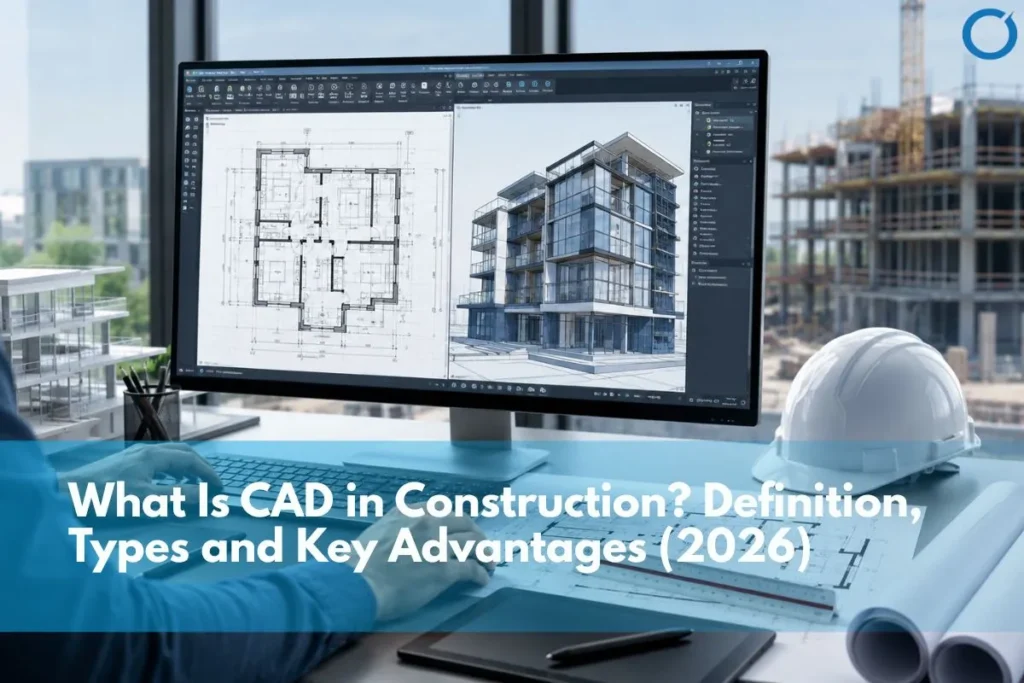
Using CAD drafting services and CAD to BIM services, companies are bridging the gap between traditional and modern workflows.
Advantages
- Seamless transition from 2D CAD drawing services to BIM
- Improved data accuracy
- Better coordination across teams
This integration ensures efficient project execution.
Trend 4: Data-Driven Construction Estimating
Cost control is a major concern for construction projects in Austin.
By integrating BIM with construction estimating services, teams can improve cost accuracy and project planning.
Key Benefits
- Accurate construction cost estimate services
- Better budget control
- Improved decision-making
This trend helps contractors manage financial risks effectively.
Trend 5: Growth of Construction Takeoff Services
Accurate quantity estimation is essential for successful projects.
Using construction takeoff services and quantity takeoff services, teams can extract precise quantities from models.
Applications
- Material planning using material takeoff services
- Trade-specific takeoffs such as electrical takeoff services and concrete takeoff services
This improves project efficiency and reduces waste.
Trend 6: Expansion of MEP and Structural Coordination
As building systems become more complex, coordination between disciplines is critical.
MEP Coordination
Using MEP BIM services and mep coordination services, teams can ensure proper alignment of systems.
Structural Coordination
With structural BIM services and revit structural modeling, structural components can be accurately designed and integrated.
Trend 7: Rise of Virtual Design and Construction (VDC)
VDC is becoming a standard practice in preconstruction.
Using virtual design and construction services, teams can simulate construction processes before execution.
Benefits
- Better planning and sequencing
- Reduced risks
- Improved project predictability
This approach enhances project efficiency.
Trend 8: Increased Use of 3D Modeling and Visualization
Visualization is playing a key role in preconstruction workflows.
Using Revit modeling services and 3D modeling and rendering, teams can create detailed project models.
Advantages
- Improved design clarity
- Faster approvals
- Better communication with stakeholders
This trend supports both planning and execution.
Trend 9: Outsourcing Preconstruction Services for Efficiency
Many construction companies in Austin are outsourcing preconstruction services to offshore teams.
Key Advantages
- Access to skilled professionals
- Cost-effective solutions
- Faster turnaround times
- Scalable resources
This trend allows companies to focus on core project activities while improving efficiency.
How These Trends Are Transforming Construction in Austin
The adoption of advanced preconstruction trends is helping contractors:
- Improve coordination across teams
- Reduce delays and rework
- Enhance design accuracy
- Deliver projects faster
- Optimize project costs
These benefits are driving widespread adoption of digital workflows in Austin.
Integration with Construction Documentation and Workflows
Preconstruction is closely linked with documentation and execution.
Construction Documentation Services
Using construction documentation services, teams can ensure accurate project records and communication.
CAD and Drafting Support
Preconstruction workflows rely on CAD drawing services and architectural CAD drawings services for detailed planning.
Why Contractors in Austin Are Investing in Preconstruction
The shift toward advanced preconstruction is driven by the need for better project control.
Key Reasons
- Increasing project complexity
- Rising construction costs
- Demand for faster delivery
- Need for accurate planning
- Improved collaboration between teams
Companies that invest in preconstruction gain a competitive advantage.
How Optimar Precon Supports AEC Preconstruction
Optimar Precon helps contractors, architects, and developers in Austin and globally by providing:
- Advanced BIM modeling services
- Integrated CAD drafting services
- Support for revit modeling services
- Coordination with estimating and takeoff
- End-to-end preconstruction support
This ensures high-quality deliverables and efficient project execution.
Pro Tips for Improving Preconstruction Workflows
- Start planning early in the project lifecycle
- Use BIM-enabled workflows
- Integrate estimating and takeoff with design
- Focus on coordination and clash detection
- Work with experienced preconstruction teams
Common Mistakes to Avoid
- Relying only on traditional CAD workflows
- Ignoring coordination during early stages
- Delaying BIM adoption
- Poor integration between teams
- Inaccurate cost estimation
Avoiding these mistakes can significantly improve project outcomes.
How Preconstruction Is Shaping the Future of Construction in Austin
Preconstruction is becoming a key driver of project success.
It enables:
- Better planning
- Improved collaboration
- Faster execution
- Reduced risks
As Austin continues to grow, advanced preconstruction workflows will play an even bigger role in delivering successful projects.
Build Smarter Projects with Better Preconstruction
AEC preconstruction trends in Austin are transforming how projects are planned and executed. By adopting advanced workflows, contractors can improve efficiency, reduce risks, and deliver better results.
If you are looking to improve project planning, coordination, and cost control, working with an experienced preconstruction partner can make a significant difference.
Connect with Optimar Precon to explore how preconstruction services can support your projects with accuracy and efficiency.
FAQs
Ans: Key trends include BIM adoption, clash detection, CAD to BIM integration, data-driven estimating, and outsourcing of preconstruction services.
Ans: BIM improves visualization, coordination, and accuracy, helping teams identify issues early.
Ans: It helps improve planning, reduce risks, control costs, and ensure efficient project execution.
Ans: Yes, offshore teams provide cost-effective solutions and skilled expertise for preconstruction workflows.
Ans: They provide accurate quantity and cost data, improving planning and budgeting.