
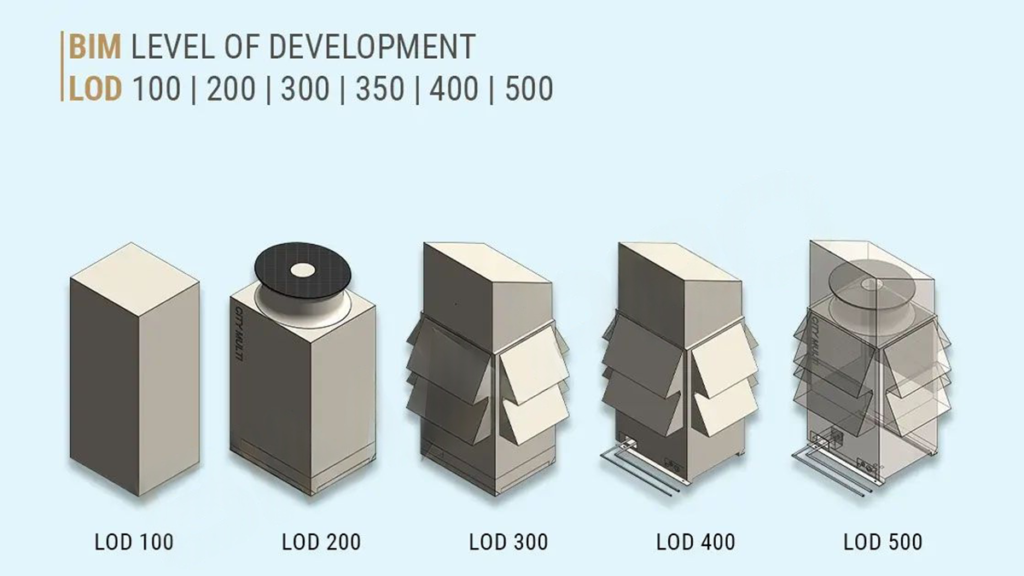
BIM LOD 100 to 500 Explained and Why It Matters for Your Projects in 2026
As the global construction industry continues its rapid digital transformation, BIM LOD has become one of the most critical concepts for project planning, execution, and lifecycle management. In 2026, Building Information Modeling is no longer just about creating 3D visuals; it is about delivering accurate, data-rich models that stakeholders can rely on at every stage of the project.
Accurate BIM modeling for construction projects depends heavily on defining the right BIM Level of Development at each stage, ensuring that design intent, coordination, and data reliability are aligned from concept through construction.
Understanding BIM LOD levels from concept to as-built is essential for architects, engineers, contractors, and owners who want to reduce risk, control costs, and improve collaboration. However, many project teams still misunderstand what each BIM level of development actually represents and how it should be applied.
This guide explains BIM LOD 100 to 500, clarifies the difference between BIM LOD 300 vs LOD 400, and highlights why choosing the right BIM LOD in 2026 can directly impact project performance, timelines, and profitability.
Understanding BIM LOD and the Level of Development Concept
BIM LOD refers to the Level of Development of building elements within a BIM model. It defines the amount of information, accuracy, and reliability a model element contains at a specific project stage.
The BIM level of development is often misunderstood as just the “amount of detail,” but it is more about how dependable the model data is for decision-making. Each LOD clearly defines what project teams can expect from the model and what they can safely use it for.
By standardizing BIM Level of Development levels, project stakeholders can:
- Avoid assumptions and miscommunication
- Align expectations across teams
- Reduce disputes and rework
- Improve BIM-driven workflows
In 2026, BIM LOD definitions are increasingly embedded into contracts, BIM execution plans (BEPs), and digital delivery requirements.
Why BIM Level of Development Is Critical for Projects in 2026
The importance of BIM LOD has grown significantly due to changes in how projects are designed, built, and operated. Modern construction projects involve:
- Complex coordination between multiple disciplines
- Increased use of prefabrication and modular construction
- Higher expectations for cost certainty
- Greater focus on asset lifecycle data
Without clearly defined BIM LOD levels, models can become visually impressive but practically unreliable. In contrast, projects that follow a structured BIM LOD framework benefit from smoother coordination, better cost control, and improved construction outcomes.
Overview of BIM LOD Levels from 100 to 500
The commonly accepted BIM framework includes five primary BIM Level of Development levels. Each level serves a specific purpose and aligns with different project phases.
BIM LOD 100 – Conceptual and Feasibility Stage
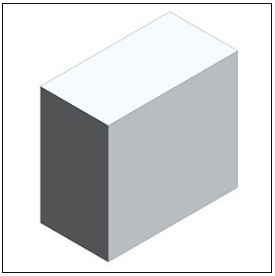
BIM LOD100 represents the earliest stage of model development. At this level, building elements are conceptual and symbolic rather than detailed.
Characteristics of BIM LOD 100
- Basic massing models
- Approximate building area and volume
- No precise dimensions or locations
- Limited object intelligence
How BIM LOD 100 Is Used
- Feasibility studies
- Site planning and orientation analysis
- High-level cost estimates based on the area
In 2026, BIM LOD100 models are often combined with early sustainability analysis and zoning studies to support informed decision-making during project inception.
BIM LOD 200 – Schematic Design Stage
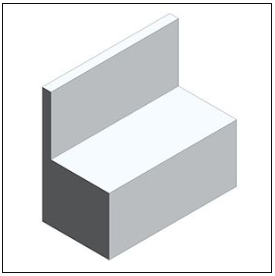
BIM LOD 200 introduces more clarity and intent into the model while remaining flexible for design development.
Key Features of BIM LOD 200
- Generic elements with approximate size and shape
- Preliminary system layouts
- Approximate locations and orientations
- Basic spatial coordination]
Applications of BIM LOD 200
- Schematic design reviews
- Early coordination between architecture, structure, and MEP
- Rough quantity takeoffs
At this BIM level of development, the model begins supporting collaboration while allowing room for design changes.
BIM LOD 300 – Design Development and Coordination
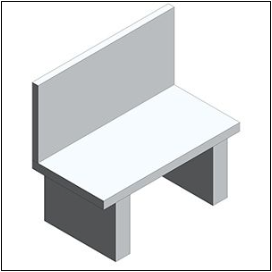
BIM LOD 300 is a critical milestone in the BIM process. At this stage, model elements are accurate enough to be relied upon for coordination and documentation.
At BIM LOD 300, detailed geometry allows teams to perform effective BIM coordination and clash detection, helping identify conflicts between architectural, structural, and MEP systems before construction begins.
What BIM LOD 300 Includes
- Accurate geometry and dimensions
- Precise locations and orientations
- Coordinated architectural, structural, and MEP models
- Reliable quantity and material takeoffs
Why BIM LOD 300 Is Important
- Enables effective clash detection
- Supports detailed design coordination
- Improves cost estimation accuracy
Project teams resolve most coordination issues at BIM LOD 300, making it one of the most valuable BIM LOD levels for reducing construction risk.
BIM LOD 400 – Fabrication and Construction Stage
BIM LOD 400 models are developed with fabrication and installation in mind. This level is typically produced by contractors, fabricators, or specialized BIM teams.
Characteristics of BIM LOD 400
- Fabrication-level geometry
- Manufacturer-specific components
- Detailed connections and assemblies
- Installation and sequencing information
Where BIM LOD 400 Adds Value
- Structural steel detailing
- MEP fabrication models
- Prefabricated and modular construction
In 2026, the use of BIM LOD 400 has increased significantly due to off-site construction and advanced manufacturing techniques.
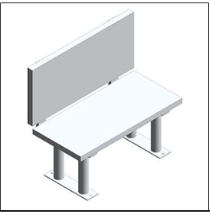
BIM LOD 500 – As-Built and Asset Information
BIM LOD 500 represents the final, verified as-built condition of the project. This level reflects what has actually been installed on site.
Key Aspects of BIM LOD 500
- Field-verified geometry
- Installed equipment and systems
- Asset data, such as serial numbers and warranties
- Maintenance and operational information
Use of BIM LOD 500 Models
- Facility and asset management
- Renovation and retrofit planning
- Digital twin development
For owners and facility managers, BIM LOD 500 delivers long-term value beyond construction.
Owners increasingly rely on BIM LOD 500 as-built models to support facility management, asset tracking, and long-term operational planning after project handover.
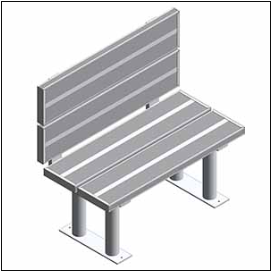
BIM LOD 300 vs LOD 400: Understanding the Difference
One of the most common areas of confusion in BIM is BIM LOD 300 vs LOD 400. While both levels involve detailed modeling, their purpose and responsibility differ significantly.
BIM LOD 300 vs LOD 400 can be summarized as:
- LOD 300 focuses on design intent
- LOD 400 focuses on the construction and fabrication intent
At BIM LOD 300, elements are suitable for coordination and documentation, but they are not yet ready for manufacturing. Moving to LOD 400 too early can increase cost, effort, and contractual risk.
This distinction becomes especially important for services such as MEP BIM coordination, where fabrication-level accuracy at BIM LOD 400 directly impacts installation efficiency and site execution.
Understanding BIM LOD 300 vs LOD 400 helps project teams model only what is necessary at the right time.
Selecting the Right BIM LOD Levels for Your Project
Not every project requires all BIM LOD levels. The key is aligning the BIM level of development with project goals, scope, and contractual requirements.
Important considerations include:
- Project type and complexity
- Use of prefabrication
- Owner BIM requirements
- Budget and timeline constraints
Defining BIM LOD levels clearly at the start of a project helps prevent scope creep and ensures efficient use of BIM resources.
BIM LOD and Cost Control in Modern Construction
Clear BIM LOD definitions play a major role in cost management:
- Early BIM LOD levels support conceptual budgeting
- BIM LOD 300 enables accurate quantity takeoffs
- BIM LOD 400 improves fabrication cost certainty
- BIM LOD 500 supports lifecycle cost analysis
In 2026, owners increasingly demand BIM-driven cost transparency, making BIM LOD a strategic requirement rather than a technical detail.
Common BIM LOD Challenges and How to Avoid Them
Even with its clear benefits, project teams often misapply BIM LOD. Common challenges include:
- Confusing level of detail with level of development
- Over-modeling at early stages
- Lack of clear BIM LOD definitions in contracts
- Expecting construction accuracy from low LOD models
Addressing these issues early helps teams fully leverage BIM without unnecessary effort.
BIM LOD and the Future of Digital Construction
As digital construction evolves, BIM LOD continues to serve as the foundation for:
- Digital twins
- AI-driven model validation
- Smart building integration
- Lifecycle asset management
While tools and technologies will advance, the core value of BIM LOD lies in clarity, reliability, and trust in model data.
How Professional BIM Support Makes a Difference
Successfully implementing the right BIM LOD levels requires experience, strong coordination, and a deep understanding of global BIM standards. At Optimar Precon, projects are handled by a team of skilled BIM professionals with 29+ years of combined industry experience, delivering accurate and reliable BIM models across residential, commercial, industrial, and infrastructure projects. By partnering with BIM experts who offer comprehensive BIM Services, clients benefit from technically compliant models, clear LOD definitions, seamless collaboration, and data-driven outcomes that support real business value throughout the entire project lifecycle.
Frequently Asked Questions (FAQs)
BIM LOD (Level of Development) defines the reliability, accuracy, and usability of BIM model elements at different stages of a construction project, from concept to as-built.
The commonly used BIM LOD levels include:
– BIM LOD 100 – Concept design
– BIM LOD 200 – Schematic design
– BIM LOD 300 – Detailed design and coordination
– BIM LOD 400 – Fabrication and construction
– BIM LOD 500 – As-built and facility management
BIM LOD 300 vs LOD 400 differ in purpose. LOD 300 models support design coordination, while LOD 400 models include fabrication-level details suitable for manufacturing and installation.
BIM LOD 400 should be used during construction when fabrication, assembly, and installation accuracy are required, especially for MEP systems and prefabricated components.
In 2026, BIM LOD is critical due to increased project complexity, prefabrication, cost control requirements, and the growing demand for reliable digital construction data.
No, BIM LOD 500 is typically required only when owners need accurate as-built models for facility management, asset tracking, or digital twin integration.


