
- Why Data Center Construction Requires Advanced Planning
- What Is BIM in Data Center Construction?
- Improving MEP Coordination with BIM
- Supporting Power Infrastructure Planning
- Enhancing Cooling System Design
- BIM for Space Optimization
- Improving Construction Coordination
- Reducing Construction Risks
- Supporting Prefabrication and Modular Construction
- BIM for Data Center Facility Management
- Why Data Center Developers Are Adopting BIM
- How Optimar Precon Supports Data Center BIM Modeling
- FAQs
The use of BIM in data center construction is rapidly increasing as global demand for digital infrastructure grows. Data centers support cloud computing, artificial intelligence, financial systems, and large enterprise networks, making them one of the most critical types of infrastructure today. Because these facilities contain highly complex mechanical, electrical, and cooling systems, traditional design approaches often struggle to manage the coordination required.
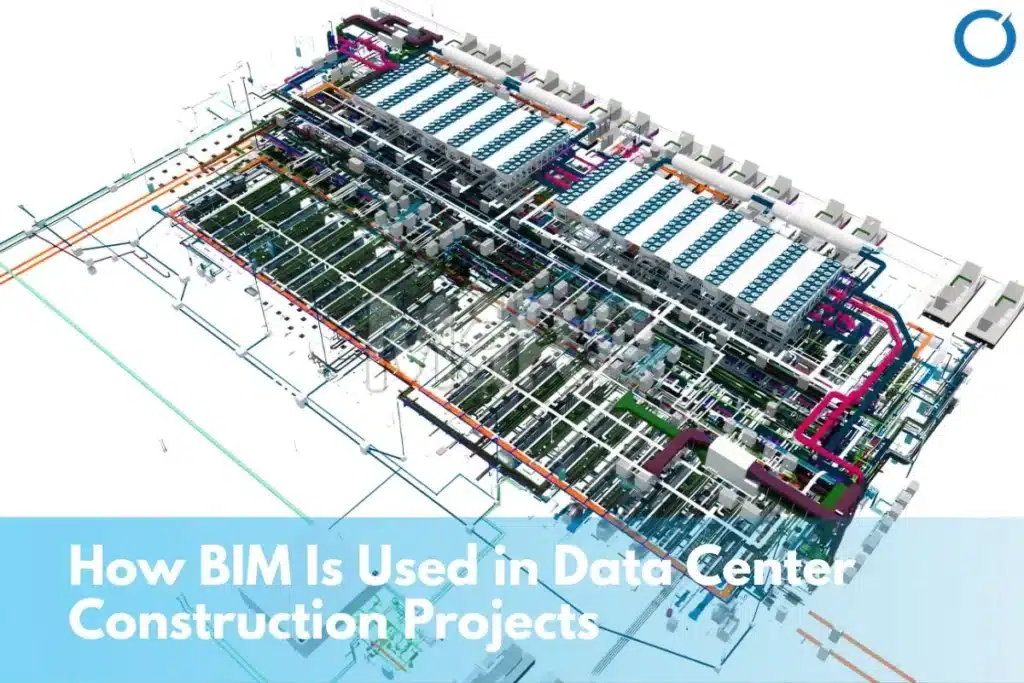
Building Information Modeling helps project teams visualize and coordinate these complex systems before construction begins. By creating intelligent 3D models that include structural components, electrical systems, cooling infrastructure, and network layouts, BIM allows engineers and contractors to detect issues early and improve project efficiency.
For data center developers, contractors, and engineers, using BIM improves planning accuracy, reduces construction risks, and helps deliver highly reliable facilities.
Why Data Center Construction Requires Advanced Planning
Data centers are very different from conventional commercial buildings. They contain dense technical infrastructure designed to support high-performance computing environments.
Typical components of a modern data center include:
- Server racks and networking equipment
- Cooling and HVAC systems
- Backup power infrastructure
- Electrical distribution systems
- Fire protection systems
- Cable management networks
All these systems must work together without conflict. Even small coordination errors can cause delays, increased costs, or operational failures. This is where BIM in data center construction plays a critical role.
What Is BIM in Data Center Construction?
BIM allows engineers and construction teams to create a digital representation of a data center before the building is physically constructed. These models contain detailed information about building elements, equipment locations, mechanical systems, and electrical infrastructure. Many construction firms rely on professional BIM Services to develop accurate digital models for complex infrastructure projects.
Using BIM, teams can analyze how each system interacts with others and ensure everything fits within the building layout.
BIM models for data centers typically include:
- Architectural layout models
- Structural models
- Mechanical and cooling system models
- Electrical infrastructure models
- Cable routing and network planning
These coordinated models allow teams to identify potential design conflicts early in the project lifecycle.
Improving MEP Coordination with BIM
One of the biggest advantages of BIM in data center construction is its ability to coordinate complex MEP systems. Data centers rely heavily on mechanical, electrical, and plumbing infrastructure to maintain continuous operations, which is why many contractors rely on Mechanical BIM Modeling Services to accurately plan and coordinate these systems.
For example, cooling systems must operate efficiently to prevent server overheating, while electrical distribution systems must support uninterrupted power supply.
With BIM modeling, engineers can create detailed models that show how each system interacts within the facility. This allows teams to detect conflicts between ductwork, cable trays, electrical conduits, and structural components before construction begins.
Clash detection tools within BIM platforms help ensure that all systems fit correctly within the available space, reducing the risk of costly rework during construction.
Supporting Power Infrastructure Planning
Reliable power infrastructure is essential for data centers. Facilities often include backup generators, battery storage systems, redundant power supplies, and complex electrical distribution networks.
BIM helps engineers visualize how these power systems are integrated within the building. Detailed electrical BIM models can show:
- Power distribution routes
- Generator placement
- UPS system locations
- Electrical panel configurations
- Cable tray routing
By modeling these systems in advance, construction teams can ensure proper installation and accessibility for maintenance.
Enhancing Cooling System Design
Cooling systems are one of the most critical components of data center infrastructure. Servers generate significant heat, and inefficient cooling systems can lead to equipment failure or reduced operational performance.
BIM models allow engineers to analyze airflow patterns, equipment placement, and cooling system routing. Mechanical engineers can use BIM to design optimized HVAC systems that maintain ideal operating conditions for server environments supported by accurate Clash Detection and Coordination during the design stage.
This level of visualization helps prevent design conflicts while improving the efficiency of cooling systems throughout the facility.
BIM for Space Optimization
Data centers must maximize available space while maintaining proper airflow, equipment access, and safety requirements. BIM enables designers to visualize equipment placement and infrastructure layouts within the facility.
Using BIM models, teams can evaluate:
- Rack placement and server layout
- Equipment clearance requirements
- Cable routing paths
- Maintenance access zones
This level of planning helps improve operational efficiency and ensures the facility is designed for long-term scalability.
Improving Construction Coordination
Data center projects often involve multiple contractors, engineers, and specialists working simultaneously. Coordinating these teams can be challenging without a shared project model.
BIM allows all stakeholders to collaborate within a centralized digital environment. Architects, engineers, contractors, and project managers can review the same model and identify potential issues before construction begins.
This improves communication across teams and helps ensure that construction follows the intended design.
Reducing Construction Risks
Because data center projects involve highly specialized infrastructure, construction errors can be extremely expensive. BIM helps reduce these risks by identifying potential issues during the design phase.
Detailed coordination models developed through Electrical BIM Modeling Services allow engineers to detect conflicts between systems before installation begins. By resolving these issues early, project teams can avoid delays, rework, and cost overruns.
Using BIM also improves construction sequencing and installation planning, helping teams complete projects more efficiently.
Supporting Prefabrication and Modular Construction
Many data center projects use prefabricated infrastructure components such as modular electrical rooms, cooling units, and server rack systems. BIM models help support these prefabrication strategies.
By creating accurate digital models of equipment and building systems, engineers can coordinate prefabricated components before they arrive on site.
This approach improves installation speed and reduces the complexity of on-site construction activities.
BIM for Data Center Facility Management
The benefits of BIM continue even after construction is completed. BIM models can be used as digital references for facility management teams responsible for maintaining the data center.
These models contain detailed information about building systems, equipment specifications, and infrastructure layouts.
Facility managers can use BIM data to:
- Plan maintenance activities
- Locate equipment quickly
- Monitor infrastructure performance
- Support future upgrades or expansions
This long-term value makes BIM an essential tool throughout the lifecycle of a data center facility.
Why Data Center Developers Are Adopting BIM
As global demand for cloud computing and digital infrastructure grows, data center construction projects are becoming larger and more complex. Developers need technologies that help improve coordination, reduce risks, and accelerate project delivery.
BIM provides a structured approach to managing this complexity. By integrating architectural, structural, and MEP systems into a single model, BIM helps ensure data centers are designed and built efficiently.
For large-scale infrastructure projects like data centers, BIM has become a standard practice for improving project outcomes.
How Optimar Precon Supports Data Center BIM Modeling
At Optimar Precon, we provide advanced BIM modeling services that support complex construction projects, including data center infrastructure.
Our BIM specialists create coordinated models that help contractors, engineers, and developers improve design accuracy and construction efficiency.
Our BIM services include:
- Architectural BIM modeling
- Structural BIM modeling
- Mechanical BIM modeling
- Electrical BIM modeling
- Plumbing BIM modeling
- Clash detection and coordination
- Construction documentation
With 29+ years of group experience and thousands of completed projects, our team supports global construction companies with reliable BIM solutions that improve project coordination and reduce construction risks.
If your organization is planning a complex infrastructure project such as a data center, our experts can help deliver accurate BIM models that support efficient project execution.
FAQs
BIM helps coordinate complex building systems, reduce design conflicts, and improve project planning for data center infrastructure.
Data center projects typically require architectural, structural, mechanical, electrical, and plumbing BIM models.
BIM allows engineers to visualize and coordinate MEP systems in a single model, helping detect clashes between systems before construction begins.
Yes. BIM models allow engineers to coordinate prefabricated building components before installation, improving construction efficiency.
Yes. BIM models provide valuable information for facility management, equipment maintenance, and future infrastructure upgrades.
Get Your Instant Quote


