- What Is BIM in Construction?
- What Is a Digital Twin in Construction?
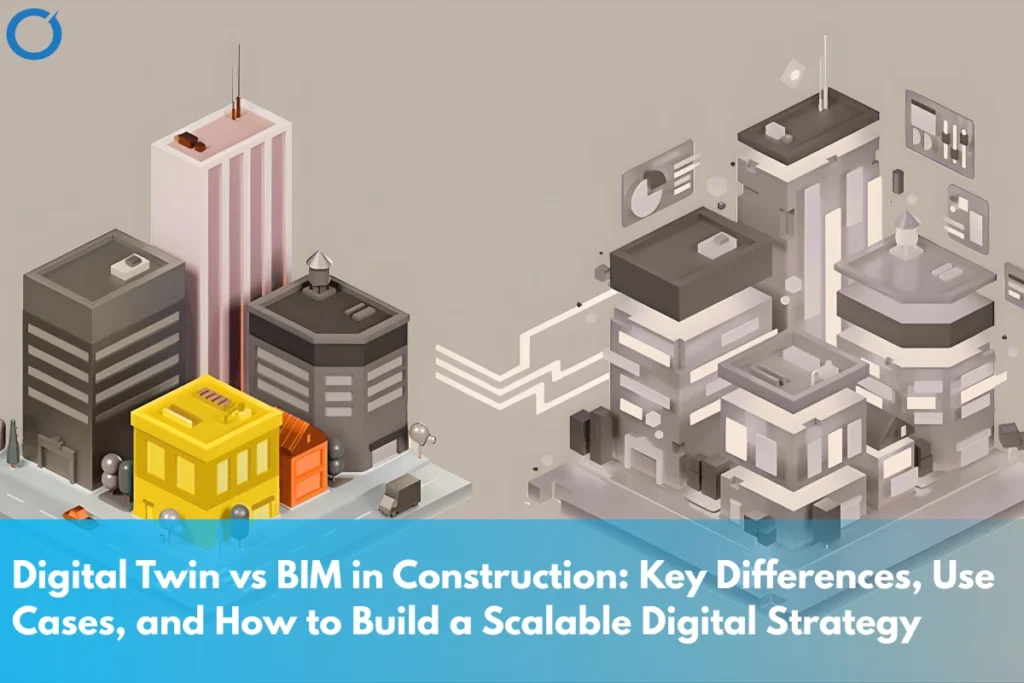
- Digital Twin vs BIM: The Key Differences That Matter
- The Real Challenge: Implementation, Not Technology
- When Should You Invest in BIM First?
- Why Many Construction Firms Outsource BIM Before Scaling to Digital Twin
- How Outsourced BIM Supports Digital Twin Success
- Choosing the Right Digital Partner
- Your Digital Strategy Should Not Be Limited by Internal Bandwidth
- FAQs
If your firm is evaluating digital construction strategies, you’ve likely asked this question:
Is Digital Twin just advanced BIM, or are they completely different?
The confusion around Digital Twin vs BIM in construction is common. Digital Twin and BIM are often mentioned together because they share similarities. Both rely on structured digital models and data-driven workflows. They also aim to improve efficiency, coordination, and project clarity.
But they serve different purposes, and choosing the wrong approach at the wrong stage can waste time, budget, and internal resources.
More importantly, many firms struggle not because they misunderstand the technology, but because they lack the structure and capacity to implement it correctly.
Let’s clarify the difference and explore how construction firms can build a scalable digital strategy that actually works.
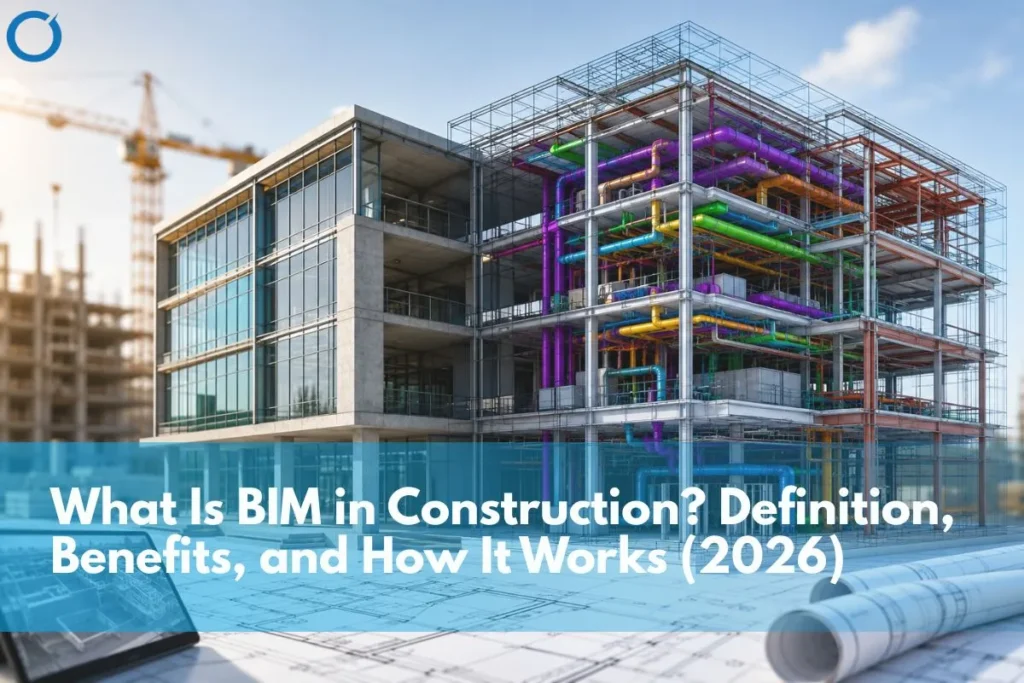
What Is BIM in Construction?
Building Information Modeling (BIM) is a structured digital process used during design and construction.
A BIM model includes:
- Intelligent 3D geometry
- Architectural, structural, and MEP coordination
- Clash detection
- Quantity extraction
- Construction documentation
- Defined LOD progression
BIM plays a critical role in:
- Preconstruction planning
- Trade coordination
- Reducing RFIs
- Improving constructability
- Controlling rework
For most AEC firms, BIM is the foundation of digital delivery.
But BIM typically focuses on how a building should be built.
It does not automatically monitor how the building performs after completion.
What Is a Digital Twin in Construction?
A Digital Twin is a real-time, data-connected digital replica of a physical asset.
While BIM represents design intent, a Digital Twin reflects actual performance.
It connects:
- IoT sensors
- Energy systems
- Maintenance logs
- Asset tracking
- Operational analytics
Digital Twins support:
- Predictive maintenance
- Energy optimisation
- Facility performance monitoring
- Lifecycle cost management
In simple terms:
BIM helps you construct efficiently.
Digital Twin helps you operate intelligently.
For a deeper understanding of how Digital Twin supports preconstruction and project delivery, you can explore this detailed guide on Digital Twin in Construction and Preconstruction.
Digital Twin vs BIM: The Key Differences That Matter
Understanding the difference between Digital Twin and BIM helps firms avoid unrealistic expectations and misaligned investments.
Project Lifecycle Stage
BIM supports design and construction.
Digital Twin supports operations and asset management.
If you are still coordinating trades and resolving clashes, BIM is your priority.
If you are managing building performance years after handover, Digital Twin becomes essential.
Static vs Live Data
BIM models are structured but typically static after construction.
Digital Twins continuously update with real-time data.
That shift from static to live intelligence is what transforms documentation into operational insight.
Business Impact
BIM improves:
- Construction speed
- Coordination accuracy
- Cost predictability
- Documentation clarity
Digital Twin improves:
- Asset lifespan
- Operational efficiency
- Maintenance planning
- Energy savings
Both reduce risk, just at different stages.
The Real Challenge: Implementation, Not Technology
Here’s where many firms struggle.
They understand the difference between BIM and Digital Twin. But they lack:
- Structured BIM standards
- Defined LOD processes
- Coordinated multi-disciplinary workflows
- Scalable modeling capacity
- Clear data ownership
Without strong BIM foundations, Digital Twin ambitions fail before they begin.
A fragmented BIM environment cannot scale into a reliable Digital Twin.
And internal teams are often stretched too thin to rebuild everything.
When Should You Invest in BIM First?
If your firm is experiencing:
- Frequent coordination conflicts
- Rework due to unclear models
- Delayed clash resolution
- LOD inconsistency
- Overloaded internal BIM teams
Then, strengthening BIM is your immediate priority.
Before thinking about Digital Twin, your BIM models must be:
- Cleanly structured
- Standardised across disciplines
- Properly coordinated
- Developed to define LOD levels
- Scalable across multiple projects
This is where many AEC firms begin exploring outsourcing.
Why Many Construction Firms Outsource BIM Before Scaling to Digital Twin
Outsourcing BIM is not just about cost reduction.
It is about scalability and consistency.
When offshore BIM teams support your workflows, you gain:
- Extended modeling capacity
- Overnight coordination updates
- Reduced pressure on internal teams
- Consistent LOD development
- Faster clash resolution
- Better alignment with long-term Digital Twin readiness
Instead of hiring internally for fluctuating workloads, firms operate with flexible capacity.
This is especially critical for the UK and global construction markets where timelines are tight and documentation standards are strict.
How Outsourced BIM Supports Digital Twin Success
If Digital Twin is your long-term goal, outsourced BIM support can help you:
- Standardise model structures
- Define asset-level data requirements
- Improve model reliability
- Deliver coordinated as-built documentation
- Prepare models for operational data integration
Digital Twin implementation becomes far smoother when the BIM backbone is structured correctly from day one.
Without that foundation, Digital Twin projects require expensive restructuring.
Choosing the Right Digital Partner
The real decision is not BIM vs Digital Twin.
It is whether your current digital delivery model is scalable.
With 29+ years of group experience in preconstruction and BIM delivery, Optimar Precon supports AEC firms in building structured, coordinated BIM environments that align with long-term digital strategies.
We support:
- Architectural, structural, and MEP BIM modeling
- Clash detection and coordination
- LOD-driven development
- CAD to BIM conversion
- Offshore BIM scalability
- Digital Twin readiness support
Our teams integrate into your workflows, follow your standards, and deliver consistent outputs without increasing internal headcount.
Your Digital Strategy Should Not Be Limited by Internal Bandwidth
Many firms delay Digital Twin adoption because their BIM environment is inconsistent or overstretched.
The longer coordination gaps continue, the more expensive future digital upgrades become.
If your team is:
- Overloaded with live project coordination
- Struggling with LOD consistency
- Experiencing delayed clash resolution
- Managing disconnected model data
- Unsure whether your BIM structure supports Digital Twin
Waiting increases cost and complexity.
Structured outsourcing today prevents expensive restructuring tomorrow.
With 29+ years of group experience in preconstruction and BIM delivery, Optimar Precon works as an extended digital arm for AEC firms looking to scale intelligently.
If you are evaluating Digital Twin implementation, the first step is strengthening your BIM foundation.
Request a BIM Capability Review and identify exactly where your digital delivery can be optimised before your next project cycle begins.
The firms that act early control cost, reduce risk, and scale faster.
FAQs
No. BIM supports design and construction coordination, while Digital Twin connects live operational data to monitor building performance.
No. A structured BIM foundation is essential before implementing a reliable Digital Twin strategy.
Yes. Structured, coordinated BIM models developed by experienced teams form the foundation for scalable Digital Twin systems.
Poorly structured BIM data. Without clean and coordinated models, Digital Twin integration becomes expensive and fragmented.
To scale capacity, standardise workflows, improve coordination, and reduce internal pressure while preparing for future digital maturity.
Get Your Instant Quote