- What is a Digital Twin in Construction
- How Digital Twins Differ from BIM
- Role of Digital Twins in Preconstruction
- Improving Coordination Across Disciplines
- Enhancing Construction Scheduling and Execution
- Reducing Rework and Cost Overruns
- Integration with MEP Systems and Complex Projects
- Improving Facility Management and Operations
- Challenges in Implementing Digital Twins
- How Optimar Precon Supports Digital Construction Workflows
- What This Means for Construction in 2026
- FAQs
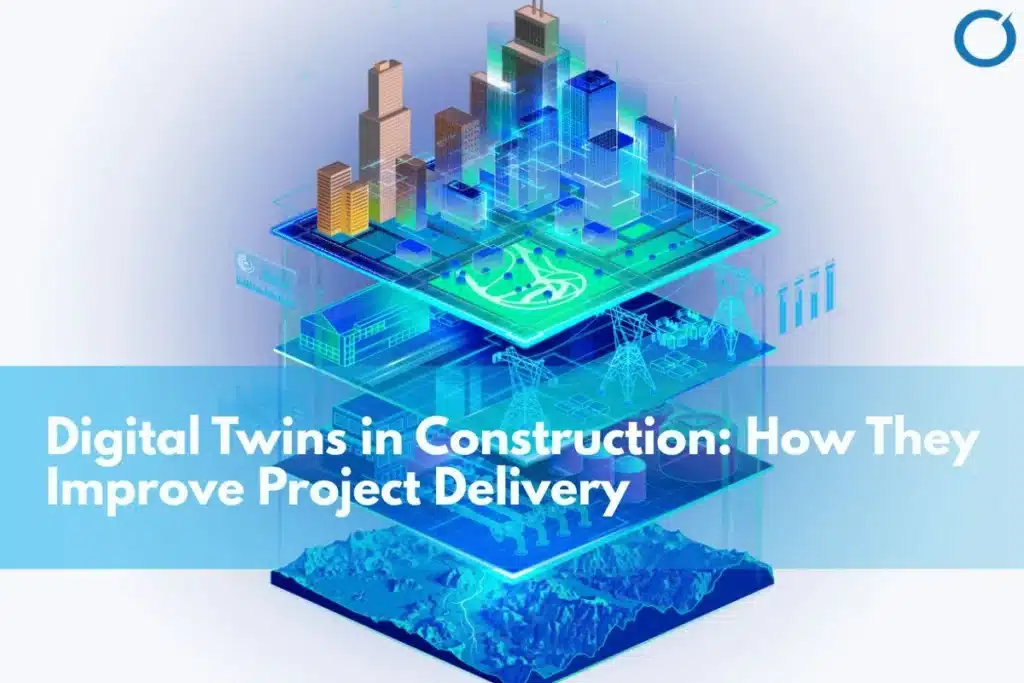
In short, A digital twin in construction is a dynamic digital representation of a physical building or infrastructure asset, continuously updated with real-time data from IoT sensors, scheduling systems, and construction progress. Unlike a static BIM model, which represents design intent, a digital twin reflects actual conditions as they evolve. In construction, digital twins improve coordination, reduce rework, enhance scheduling accuracy, and extend into the operational phase for facility management, predictive maintenance, and energy performance monitoring.
Digital twins in construction are transforming how projects are planned, coordinated, and executed. In 2026, construction is no longer driven solely by static drawings or isolated BIM models. Instead, it is increasingly supported by data-connected digital environments that reflect real-world conditions in real time.
A digital twin is a dynamic digital representation of a physical asset, continuously updated with project data. When integrated with BIM and preconstruction workflows, digital twins enable better coordination, improved decision-making, and more predictable project delivery.
For contractors, developers, and engineering teams, this means fewer delays, reduced rework, and enhanced project performance.
What is a Digital Twin in Construction
A digital twin goes beyond traditional BIM models. While BIM provides a 3D representation of a building, a digital twin integrates real-time data, system behavior, and operational insights.
- Core Components of a Digital Twin
- BIM models (geometry and design data)
- IoT and sensor data
- Construction sequencing and scheduling data
- Equipment and system performance data
- Operational and maintenance information
This combination allows teams to simulate, monitor, and optimize project performance throughout the lifecycle.
How Digital Twins Differ from BIM
Although often used together, BIM and digital twins serve different purposes.
BIM
- Static or semi-dynamic model
- Focuses on design and coordination
- Used primarily in preconstruction and design phases
Digital Twin
- Dynamic and continuously updated
- Integrates real-time data
- Used across design, construction, and operations
Digital twins extend BIM by turning models into live, data-driven systems.
To understand the differences in more detail, you can explore our guide on digital twin vs BIM in construction and how both technologies work together in modern project delivery.
Role of Digital Twins in Preconstruction
The biggest impact of digital twin technology is seen in preconstruction, where decisions directly affect project outcomes.
Key Applications
- Simulation of construction sequences
- Validation of design decisions before execution
- Identification of coordination issues early
- Optimization of workflows and resource allocation
By integrating digital twins with BIM modeling services, contractors can ensure that all systems are aligned before construction begins.
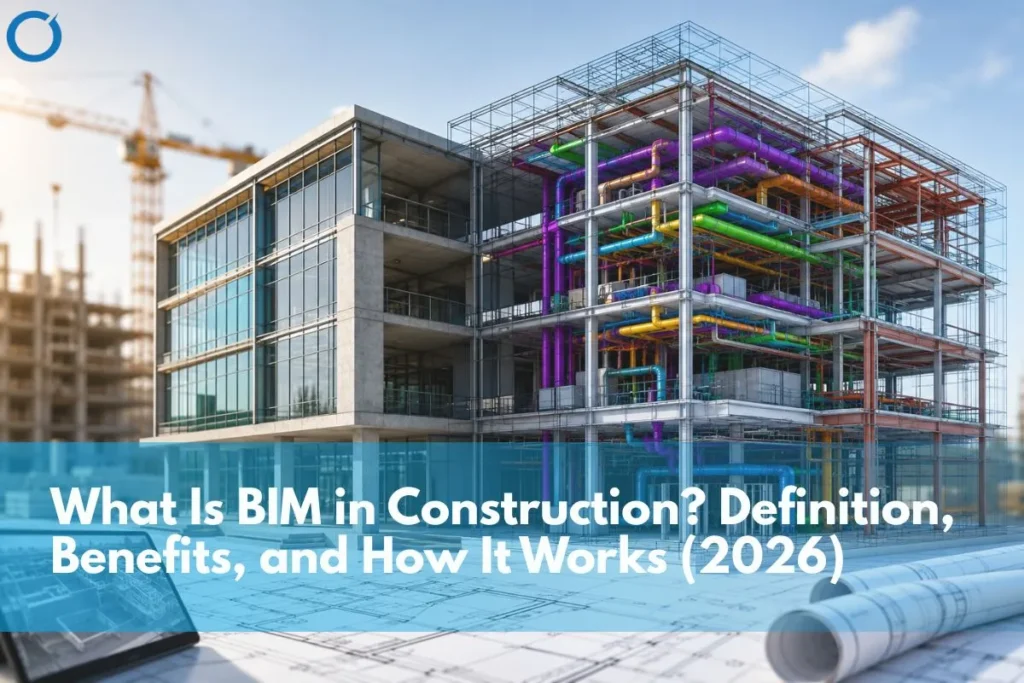
This reduces uncertainty and improves project planning accuracy. See our guide on what is BIM in construction
Improving Coordination Across Disciplines
Construction projects involve multiple disciplines, including architecture, structural, and MEP systems. Coordination challenges are one of the primary causes of delays and rework.
How Digital Twins Help
- Real-time coordination across disciplines
- Continuous clash detection and resolution
- Visualization of system interactions
- Alignment between design intent and execution
Digital twins enhance MEP coordination by ensuring that all systems work together efficiently within the available space.
When combined with clash detection services, teams can identify and resolve conflicts before they impact construction. See our guide on what is clash detection in BIM
Enhancing Construction Scheduling and Execution
Digital twins improve how projects are executed by integrating scheduling and sequencing into a unified system.
Key Benefits
- Visualization of construction timelines (4D simulation)
- Identification of scheduling conflicts
- Optimization of resource allocation
- Real-time tracking of project progress
This allows project managers to:
- anticipate delays
- adjust workflows proactively
- improve overall execution efficiency
Reducing Rework and Cost Overruns
Rework is one of the most significant cost drivers in construction. It is often caused by coordination issues, design errors, or miscommunication.
How Digital Twins Reduce Rework
- Early detection of design conflicts
- Validation of constructability before execution
- Continuous monitoring during construction
- Data-driven decision-making
By using digital twins, contractors can reduce:
- material waste
- labor costs
- project delays
Accurate coordination supported by construction estimating services helps reduce cost overruns and improve project control. See our guide on construction takeoff and estimation explained
Integration with MEP Systems and Complex Projects
Digital twins are especially valuable in projects with high system complexity, such as:
- Data centers
- Hospitals
- Industrial facilities
- Commercial high-rise buildings
These projects require precise coordination of mechanical, electrical, and plumbing systems.
Digital twins enable:
- accurate system layout validation
- performance simulation
- coordination across multiple systems
This ensures that projects meet both functional and operational requirements.
Improving Facility Management and Operations
The value of digital twins extends beyond construction into the operational phase.
Post-Construction Benefits
- Real-time monitoring of building systems
- Predictive maintenance
- Energy performance optimization
- Improved asset management
This makes digital twins a long-term asset, not just a construction tool.
Challenges in Implementing Digital Twins
Despite the benefits, adopting digital twin technology requires careful planning.
Common Challenges
- Integration with existing BIM workflows
- Data accuracy and consistency
- Initial setup costs
- Need for skilled professionals
However, these challenges can be addressed by working with experienced partners who understand both BIM and digital construction workflows.
How Optimar Precon Supports Digital Construction Workflows
At Optimar Precon, we support contractors and developers with services that align with digital twin-enabled workflows.
Our Capabilities
- BIM modeling and coordination
- Clash detection for complex systems
- CAD drafting and documentation
- Preconstruction planning and estimation
Our approach ensures that project data is accurate, coordinated, and ready for execution, forming the foundation for digital twin integration.
What This Means for Construction in 2026
Digital twins are not just a trend. They are becoming a standard approach for managing complex construction projects.
Companies that adopt digital twin technology can:
- improve project accuracy
- reduce delays and rework
- enhance coordination
- deliver projects more efficiently
If you are looking to improve coordination, reduce risks, and enhance project delivery, integrating BIM and digital workflows is the first step.
Connect with Optimar Precon to streamline your preconstruction and coordination processes.
FAQs
Digital twins are used to simulate, monitor, and optimize construction workflows by integrating real-time data with BIM models, improving coordination and project delivery.
Digital twins enhance BIM by enabling real-time updates, continuous clash detection, and better alignment between design and on-site execution.
Yes, by identifying design conflicts early, optimizing workflows, and reducing rework, digital twins help control costs and improve project timelines.
Complex projects such as data centers, hospitals, commercial buildings, and industrial facilities benefit the most due to high coordination requirements.
Contractors can start by integrating BIM modeling, coordination, and preconstruction workflows with experienced partners who support digital construction processes.